

Search

Touched by an Angel
Points of Benefit from the beginning verses of Chapter 96 al-ʿAlaq (Clinging Clots of Blood) The year is 570AD, famous in the annals of Arab history as the Year of the Elephant, named for an army marching on Mecca led by the then viceroy of Yemen, Abraha, at the head of which was an elephant. A miracle occurred and the army was ignominiously defeated by a flock of birds pelting them with stones of hard baked clay. That year, however, was also marked by an event orders of magnitude greater in importance, one that would change the course of history…
Return to Allah’s Throne
Journey to Allāh’s Throne Al-Isrāʾ and al-Miʿrāj – Part 2 Click here to read Part 1 Before moving on to the climax of this journey, the divine audience, there are a number of events and sights that the Prophet (sall Allāhu ʿalayhi wa sallam) saw but are difficult to place chronologically in the narrative. The author has opted to list them here. He never passed any gathering during this journey except that they announced, “Muḥammad, enjoin your nation to perform ḥijāmah.” At some point in this journey, he (sall Allāhu ʿalayhi wa sallam) met with Ibrāhīm, Mūsā and ʿĪsā (ʿalayhim al-Salām) and they…

Journey to Allah’s Throne
Journey to Allāh’s Throne Al-Isrāʾ and al-Miʿrāj – Part 1 Click here to read Part 2 About a year before the Hijra (which happened in 622AH), following a year full of personal tragedy in which the Prophet (sall Allāhu ‘alayhi wa sallam) lost his beloved wife, Khadījah and his uncle, Abū Ṭālib, an amazing event happened to Allāh’s Messenger (sall Allāhu ‘alayhi wa sallam). He travelled to Jerusalem, up to the heavens and beyond and back in one night, and was shown some of Allāh’s greatest Signs. Many scholars state that this was quite possibly the greatest miracle he (sall…
Interrogation in the Grave
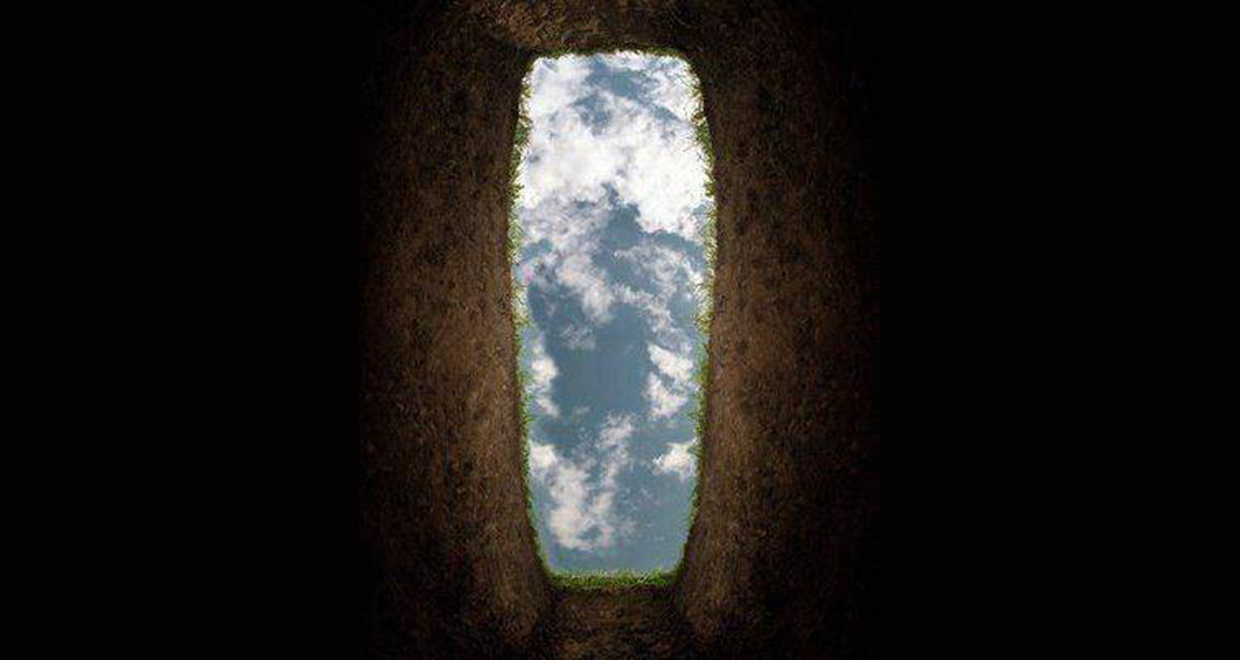
The A to Z of Death Part 5 Click here for part 1 | Click here for part 2 | Click here for part 3 | Click here for part 4 Interrogation in the Grave Like death, the questioning of the grave is unavoidable. Everyone who has passed away is actually alive in the grave but the true nature of this life is beyond the realm of human comprehension, and while in that grave, each and every person will be interrogated about his faith. No one will be able to abscond. For the transgressor and the disbeliever, it will be a testing, traumatic experience about which…
Some General Guidelines for Performing Dhikr
1. Performing dhikr is an action of worship, as such it is to be done in the manner enjoined by the Sharī`ah and it is not allowed to invent new methods of performing it. Shaykh al-Islām ibn Taymiyyah said, "there is no doubt that the adhkār and supplications are from the best forms of worship. Worship is built upon tawqīf and ittibā ... Therefore it is not allowed for anyone to legislate new adhkār and supplications and take them as actions of worship that the people must constantly perform just as they constantly perform the five daily prayers. Rather this…

Mukhtasar Sirah al-Nabi Chapter 4
Zayd ibn Hārithah ibn Sharāhīl al-Kalbī; his son, Usāmah ibn Zayd who was known as ‘the intimate friend, son of the intimate friend’; Thawbān ibn Bujdud; Abū Kabashah of mixed Arab descent, his name was Sulaym and he was present at Badr; Anasah, he was of mixed lineage and from al-Sarrāt; Şalih Shuqrān; Rabāh al-Aswad; Yasār the Nabatean; Abū Rāfi` whose name was Aslam, it is also said his name was Ibrāhīm, he was a servant al-`Abbās who gifted him to the Prophet (SAW) who set him free; Abū Muwayhibah who was of mixed Arab descent from Banū Muzaynah; Fadālah;…
How to understand weak hadeeth
Many of the early scholars held the firm opinion that to act upon, or derive rulings from a hadith which has been declared to be weak, by the scholars of hadith is unacceptable. Their reasoning being that Islam has no need of anything weak, and the authentic material of Islam will suffice for all time, the da'eef hadith amounting only to a conjecture which has the possibility of being correct. I quote from the introduction of The Prophet's Prayer Described of Shaykh al-Albani, "...this is because I hold that the authentic ahadith are sufficient, leaving no need for anything weak,…
Reviving our Sense of Gheera
We live in societies in which most men and women have lost their sense of modesty, women are obsessed with their appearances and wear clothes to be seen by others and to attract the attention of other men even if they are married! They have lost their sense of shame. Marriage is often looked upon as old-fashioned and short term affairs and frivolous relationships are the norm, everyone waiting to attract a better partner and feeling totally justified to dump one partner for another at the drop of a hat. Feminism too has reached its peak and men and women…

Sheikh Abu Rumaysah Refi Shafi
lecturer for MRDF, published translator, chairman of WISE.

Somalia Goes Hungry in the Month of Giving
Click to Donate to UWT's Emergency Somalia appeal.This is a summary translation of a Friday sermon delivered by Ibrahim Ibn Muhammad al-Haqil on 5/Aug/2011 in Riyadh, KSA. Some of the topics covered include selfishness, coarse hearts, the self-denial of the Prophets out of sentiment for the affliction of the poor, and the impact Islamic nurturing had on the early generations of Muslims in consoling and providing comfort to those in need. The article also includes examples of the tragedy afflicting the starving populace of Somalia, drawing on the month of Ramadan to inspire us to offer help and provide their…