

Search
Tag: APOSTASY



Why Modern Atheists Are Mushriks
After coining "Farangism Studies" to unmask western modernity in his first article, Mirza Safwat is back with a closer look at the polytheistic, pagan roots of popular western atheism.

Unmasking Western Modernity: Farangism Studies
“It isn’t atheism per se that the apostate Muslim is embracing,” writes sociologist Mirza Safwat. “It isn’t an intellectual matter but a civilizational one; it needs to be understood not philosophically but…

Seven Messages For Those Who “Leave Islam”
"Fame and fortune aside, here are seven things leavers of Islam ought to remember"

Apostasy: a ticking time bomb?
In the modern era the domination of the modern educational model has led to an increase in critical questioning and critical analysis. Everything can be and is questioned. With this frame of…

From Kufr to Īmān: Guidance and Honour of the Righteous
Say, "To Allāh belongs the east and the west. He guides whom He wills to a straight path." 2:142 In Part 1, ‘From Īmān to Kufr: The Rise & Fall of…

From Īmān to Kufr: Rise & Fall of the ‘Pious’
Part 1 | From Īmān to Kufr: The Rise & Fall of the 'Pious' “So after the truth, what else can there be, save error? How then are you turned away?” Whilst…

A Muslim Response to The Young Atheist’s Handbook
The Young Atheist’s Handbook (TYAH) was first published in 2012. I purchased the book the moment it was available and I was probably one of the first people to receive it in…
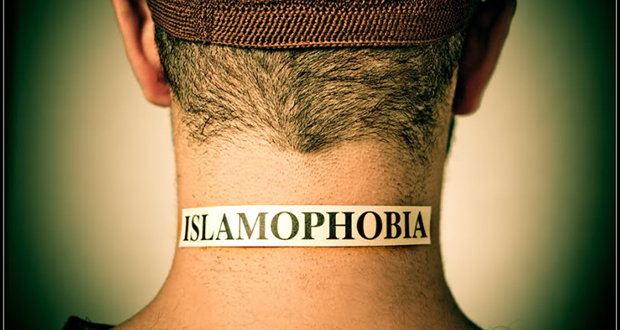
Anti-Religion Hate Preachers come to Town
Fanatics from anti-Muslim organisations have sought to make life very difficult for countless everyday innocent, law-abiding Muslim Britons for years. They have done this by campaigning for restrictions of their civil liberties…
The Brothers of Bal’aam
This article is an adapted translation of its original, Ikhwan Balʿām, written in Arabic by Dr. ʿAbdul ʿAzīz ʿAbdul Laṭīf. Balʿām changed from being a righteous man whose supplications were accepted into…